Technology and Security: What to Try to find in Modern Memory Care Homes
Business Name: BeeHive Homes of Arrowhead Assisted Living
Address: 17202 N 69th Ave, Glendale, AZ 85308
Phone: (602) 717-1864
BeeHive Homes of Arrowhead Assisted Living
BeeHive Homes of Arrowhead Assisted Living care is ideal for those who value their independence but require help with some of the activities of daily living. Residents enjoy 24-hour support, private bedrooms with baths, medication monitoring, home-cooked meals, housekeeping and laundry services, social activities and outings, and daily physical and mental exercise opportunities. We offer full memory care services that accommodate the growing number of seniors affected by memory loss and dementia. Beehive Homes offers respite (short-term) care for your loved one should the need arise. At the BeeHive Homes of Arrowhead Assisted Living, we strive to provide the best care for our residents while maintaining their dignity and respect.
17202 N 69th Ave, Glendale, AZ 85308
Business Hours
People typically focus on décor, activity calendars, and meal strategies when touring memory care. Those matter, however if you wish to understand how a community in fact keeps homeowners safe and comfortable, inquire about the innovation under the hood. The right systems minimize risk without feeling restrictive. The wrong ones produce noise, confusion, and blind spots that only show up when something goes wrong, like a missed medication or a fall after hours.
I have actually strolled numerous hallways with executive directors and directors of nursing to trace the path a resident takes in a typical day. Where do they tend to wander, and how does staff understand they are safe at 2 a.m.? What happens when a family calls to ask if Mom took her night dose? Which doors lock, when, and why? The best operators can reveal, not simply tell. Their tools fit the rhythms of dementia care and senior care, and staff can describe them without scripts.
Why the technology matters
Memory care blends hospitality with medical watchfulness. Locals live with cognitive modifications that impact judgment, balance, sleep, and hunger. One missed out on hint can waterfall into a hospitalization. Thoughtful use of innovation provides groups a second set of eyes, reduces response times, and streamlines paperwork. When it is calibrated well, homeowners hardly ever notice it. They feel free to stroll to the garden or sit near a window, yet crucial threats are seen silently in the background.
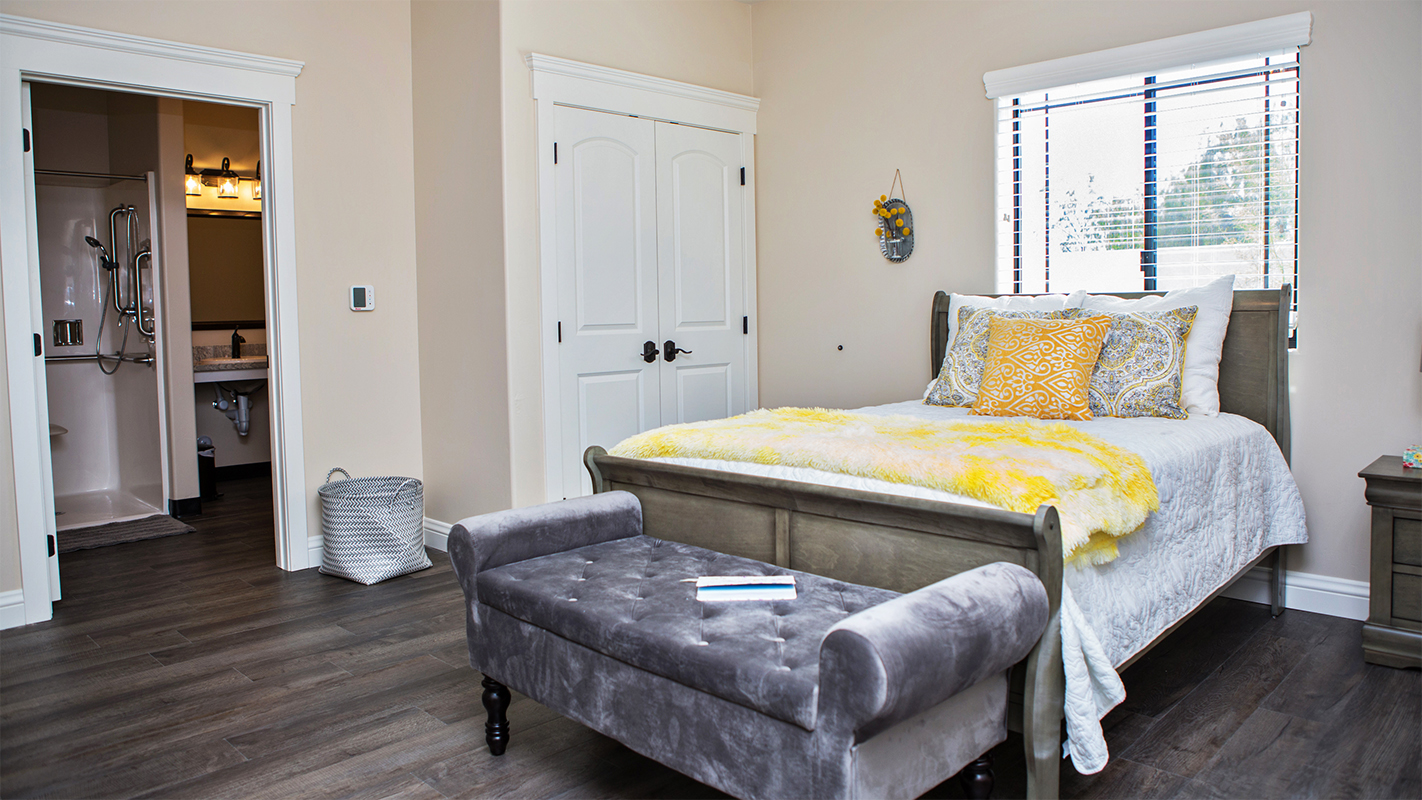
There is also a privacy and dignity line that communities must respect. Not every service that can be set up, must be. A camera can assure a family, however it can also weaken trust if utilized without clear approval and boundaries. Excellent operators lean into educated option, transparency, and the minimum efficient monitoring necessary for safety.
Safety principles, where the physical environment satisfies digital systems
Safety starts with the floor plan, lighting, and hardware, then extends to sensing units and software. In a well designed community, homeowners can move in loops that naturally bring them back to staff areas. Visual cues assist shifts rather than locked doors at every turn. Innovation needs to reinforce this circulation, not battle it.
Door hardware matters. Delayed egress hardware provides personnel a defined window to respond if a resident attempts to leave. Wander management bands can push a door to stay locked when a particular resident methods, while permitting visitors and staff to come and go. The technique is alignment: the very same resident profile in the electronic health record need to notify who uses a tag, who has an individual care plan to accompany outside strolls, and when the plan changes.
Night lighting is another low tech, high return service. Movement activated, warm spectrum lights that run at shin level minimize falls from bed to bathroom. Pair that with non intrusive bed or chair sensing units tied to nurse call, and the building becomes a safety net that captures small issues before they become big ones.
Wander management without a prison feel
Families frequently ask whether the doors will keep their loved one within. That is the wrong first concern. The better concern is how the neighborhood supports purposeful wandering, which prevails and healthy for many individuals coping with dementia.
Modern roam management includes discreet wearable tags, geofencing within the property, and software application that discovers resident patterns. If Mr. K likes to stroll the garden path for 15 minutes after breakfast, staff should see that as green. If his walk extends to 45 minutes near sundown, when he tends to get disoriented, the system can nudge a caregiver to sign in. Search for solutions that highlight modifications from standard, not just raw locations.
Door signals need to go to the best individuals at the right time. I have seen systems that page every caretaker on every door event, which numbs the team to real risks. Better neighborhoods route notifies to the closest available staff, log response times, and run weekly reviews to tune limits. They also have clear procedures for prepared getaways. A resident who takes pleasure in monitored strolls should not be flagged as a hazard every time they approach a gate with their daughter on a Sunday.
Ethics and authorization play a role here. Residents who can still weigh threats ought to be part of the decision to use a tag. Families need to comprehend where geofencing applies and how data is kept. Personnel ought to understand how to eliminate or silence gadgets throughout showers or treatment, then validate they are back on.
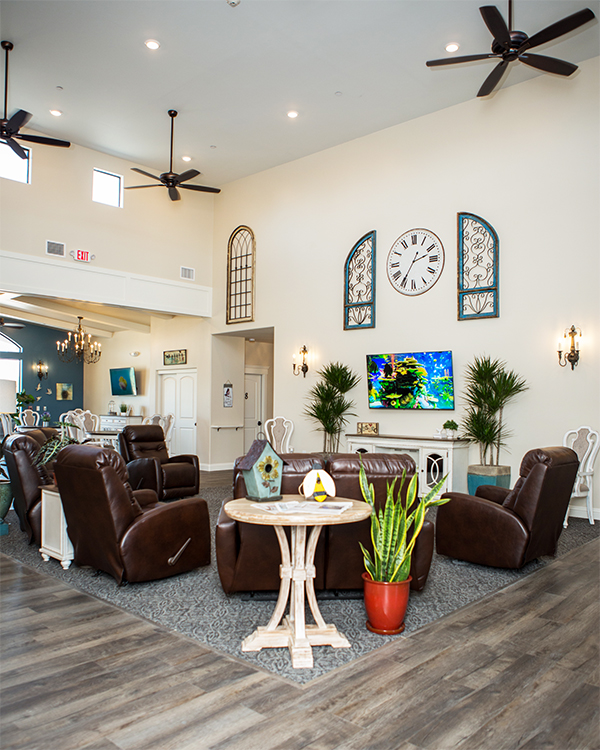
Fall prevention and faster response
Every operator will inform you they care about falls. The standouts can indicate specifics. Bed and chair sensing units that differentiate restlessness from true egress. Movement sensors that cover blind corners near restrooms. Floor materials that lower effect in case a fall occurs. These are not theoretical. In one neighborhood, shifting to softer underlayment and shin height lighting in 3 rooms minimized overnight restroom related falls by more than a 3rd over 2 months, with no modification in staffing.
Acoustic monitoring has actually grown as well. Rather of roaring alarms, newer systems listen for patterns that correlate with agitation or distress and send a quiet alert to staff handhelds. Even much better, the alert links to a care prompt: deal water, check toileting needs, or guide the resident to a familiar seat with a comfort item.
Response time is what locals and households feel most acutely. A reliable nurse call system that routes to mobile devices, timestamps acknowledgments, and tracks conclusion deserves the investment. Ask what the average and 90th percentile reaction times are on day shift and night shift. Numbers in the 2 to 5 minute variety are achievable with excellent layout and training. If a neighborhood can not produce the last month's metrics, they probably are not using their system to its potential.
Medication security and scientific systems that speak with each other
Medication errors in dementia care can spiral quickly. A solid electronic medication administration record, often called eMAR, is foundational. The workflow should be barcode driven, with the resident wristband or picture match and the medication plan both scanned before administration. When a dose is held, the factor ought to be caught and noticeable to the nurse and the physician, not just buried in a log.
Automated dispensing carts decrease diversion and tighten up control for controlled substances. Pharmacy combination assists as well. If the community's eMAR gets updates straight from the pharmacy system, dosage changes are less most likely to be missed out on throughout shifts. This is not just a technical nicety. I have actually seen Sunday night dose modifications for prescription antibiotics stop working to appear on paper till Tuesday, with foreseeable outcomes. A tidy interface shortens that space to minutes.
Clinical documentation must be accessible at the point of care. If a caregiver notifications a new bruise or cravings modification, they need to be able to record it on the area, connect a quick picture with consent, and flag it for the nurse. Gradually, analytics can appear patterns, like a resident whose hydration dips on hot days or whose agitation peaks when a favorite team member is off. The goal is not to bury staff in checkboxes, but to capture a couple of high value observations that drive action.
Cybersecurity and personal privacy you can discuss in plain language
Senior care operates in a regulatory soup. HIPAA covers protected health information, state rules include layers, and households rightly anticipate discretion. You do not need a lecture on file encryption, but you wish to hear a crisp story about how the neighborhood protects data.
Access must be function based. Caregivers see what they require for everyday jobs, nurses see scientific information, administrators see metrics and staffing. Logins need to use multi factor authentication for managers and medical leads. Audit logs should capture who viewed or altered records, and those logs ought to be evaluated, not just stored.
The network must be segmented. Resident Wi Fi belongs in its own lane, separate from scientific systems. Visitors should not share a password with staff devices. Software application and firmware updates should be on a schedule, with upkeep windows and a fallback strategy in case an upgrade breaks something. When a supplier needs remote access, the neighborhood ought to approve it only for the time required, with presence into what the vendor does.
Finally, ask about personnel training. Phishing e-mails do not care that a structure has a warm lobby. I have actually seen good teams almost derailed by a fake billing link that set up malware on a shared workstation. Quarterly refreshers and quick drills cut that risk.
Cameras and audio: where security satisfies dignity
Cameras are a hot button topic in memory care. There is a world of difference in between public area cams that hinder theft and aid reconstruct occurrences, and cams in resident rooms. The latter need explicit approval, clear policies, and strong safeguards. Even with approval, cameras should never ever tape-record restrooms, and audio must be off unless a resident and family accept it in writing for a specified time and purpose.
Ask who can view video, how long it is maintained, and how requests are managed. Good practice retains clips for a restricted duration, typically 14 to 1 month, with longer holds only when an incident occurs. Gain access to should require a manager's approval and be logged. If a family desires an electronic camera in a room, neighborhoods need to set ground rules: who can see, when, and what happens if caregivers need to offer personal care. Borders safeguard everyone.
Family connectivity without overwhelm
An excellent household portal lightens the load on the front desk and enhances trust. Everyday notes, meal intake summaries, and a few images weekly assure families without flooding personnel with extra steps. Video visits help when distance makes in person visits unusual, however the schedule needs to respect resident regimens. A calm resident at 10 a.m. Can be upset at 7 p.m., and innovation ought to not bypass that reality.
Consent again matters. A resident who still has capability needs to choose who sees their updates. For those who have designated decision makers, the care strategy ought to define who receives access and how often they are updated. Operator judgment shows up in the tone and cadence. A one line note that a resident "refused care" tells a household little. A brief note that "Mrs. A decreased a shower today, accepted a warm wash and hair brush, and strolled the outdoor patio after lunch" signals that staff are taking care of comfort and dignity.
The infrastructure you do not see
A memory care neighborhood's network should be as trusted as its supply of water. Watch for telltales. Exist access points in hallways at regular intervals, or exists one router tucked behind the receptionist's chair? Do personnel handhelds reveal strong signals in resident rooms? If the Wi Fi fails, what is the strategy? Many structures use cellular failover. That is fine, but only if the signal is strong and tested.
Power durability is non negotiable. Crucial systems, like nurse call, wander management, and eMAR devices, need to ride on battery backups and, for longer interruptions, a generator. The test is not whether the building has a generator. It is whether the generator begins, the last load test passed, and personnel understand which outlets are on emergency situation power. I have actually stood in spaces with two identical outlets, just one of which remained hot in a blackout. Caregivers need to not be guessing.
Data backups and catastrophe healing complete the picture. If a server fails or a supplier cloud goes dark, how does the neighborhood keep operating? Paper fallback packs for medications and care plans are a smart safeguard. Drills expose whether those packs are present or collecting dust.
Data governance and analytics without security creep
Operators enjoy control panels. Households care about outcomes. The sweet spot utilizes a handful of measures that tie back to resident well being. Falls per 1,000 resident days, typical nurse call response times, medication error rates, and unexpected medical facility transfers tell a usable story. Include a qualitative layer, like sleep quality notes and engagement levels, and personnel can prepare much better days.
Surveillance creep is a threat. Just because a system can track a resident's every step does not imply it should. Neighborhoods need to specify a purpose for each data stream, limitation retention to what is required, and provide homeowners or their choice makers a say. If analytics discover that a resident's actions drop sharply on weekends, the reaction needs to be a strategy to support mild activity, not a tighter geofence.
Staff training and change management, where good tools end up being excellent care
Technology does not run itself. The most stylish system fails when a brand-new caretaker does not understand how to silence an incorrect bed alarm. The very best communities bake training into onboarding, run short refreshers monthly, and appoint very users on each shift. They also encourage feedback. If a door alarm chirps for five seconds each time a staff individual goes through on rounds, that is a recipe for alarm tiredness. Frontline caretakers generally understand where the friction lies. Management needs to listen and adjust.
Change management likewise implies starting small. Pilot a brand-new sensor suite in 4 rooms for 2 weeks. Step the signal to sound ratio. Count authentic helps and false positives. Meet with families to describe the purpose and gather impressions. Then scale with eyes open.
A practical list for tours
- Show me the nurse call system in action, from a resident room to a caretaker's device, and the last thirty days of action time data.
- Walk me through how wander management works for one resident who enjoys strolling outside, and how personnel file those outings.
- Let me see a medication pass, including barcode scanning and how a held dosage is tape-recorded and communicated to the nurse or physician.
- Describe your network and power strength, consisting of generator screening dates and which systems stay up during an outage.
- Explain your privacy practices for electronic cameras, household portals, and information access, and how consent is gotten and recorded.
Red flags that are worthy of follow up
- Staff who can not silence or discuss an alarm, or who dismiss frequent signals as regular background noise.
- Paper medication sheets utilized as a main record, or eMAR entries that lag hours behind real administration.
- One Wi Fi router serving an entire flooring, or dead zones where handhelds lose connection.
- Vague responses about who can see video camera video or the length of time data is kept.
- Leaders who can not produce standard safety metrics, or who count on anecdote instead of data to describe performance.
Costs and agreements, the total cost of ownership lens
Communities deal with genuine budget plan restrictions. Great operators look beyond price tag. An inexpensive roam system that floods staff with incorrect signals expenses more in turnover and missed out on real occasions. So does a proprietary platform that locks you into one vendor for every element. Ask whether systems are open to basic combinations, how updates are dealt with, and what assistance appears like after year one.
Leasing hardware can smooth cash flow, however check the replacement and revitalize terms. Wearable tags and batteries require predictable upkeep cycles. Supplier agreements should spell out uptime service levels, response times, and treatments if those are missed out on. Do not neglect training. A bundle that includes on site training for all shifts, plus refreshers after 6 months, deserves a modest premium.
Pilots decrease regrets. Smart communities run time boxed trials, define success metrics, and consist of caregivers and households in evaluations. You can ask about the last technology trial the structure ran and what they discovered. If the answer is blank stares, that informs you how they approach change.
Respite care, short stays, and the pace of onboarding
Respite care brings a compressed version of all these options. Households drop a loved one off for a week while they take a trip or recover. The building needs to onboard rapidly, fit a wearable, get in medications properly, and describe communication norms, all in a day. This is where tight workflows and friendly, confident personnel make a huge difference.
I have actually watched a group stop working and succeed in the exact same week. On Monday, a respite admission arrived at 5 p.m. With hand written med lists and no current physician orders. The eMAR did not match, and the very first night dosage was held while the nurse called the family and the drug store. Stress all around. On Thursday, a brand-new respite arrival came with electronic orders from the physician, the pharmacy combination pulled them in within an hour, the wearable was fitted throughout a welcome tour, and the household website was set up before dinner. The difference was not luck. It was a procedure that expected spaces and closed them fast.
Dementia care develops, therefore ought to the toolkit
Early stage dementia calls for different BeeHive Homes of Arrowhead Assisted Living memory care arrowhead az supports than late phase. In earlier phases, technology should protect independence: calendar cues, wayfinding signs with images, mild pointers on a tablet that a resident already uses. In later phases, sensory convenience, quiet nighttime monitoring, and simplified interaction take top priority. A one size fits all technology stack usually serves no one well.
Skilled teams revisit care strategies regularly. When roaming shifts from purposeful walks to leave seeking late in the evening, they change. When a resident ends up being conscious beeps or bracelets, they attempt acoustic tracking with less noticeable equipment. Technology that is modular and versatile shines in these transitions.
What good appear like, a day in a well run memory care home
Picture an early morning start. Motion lights radiance as homeowners wake, enough to guide feet securely to slippers. A caregiver enter Mrs. Lee's room after a silent prompt that her bed sensing unit revealed continual motion. She greets her carefully by name and uses a warm washcloth. The wearable on Mrs. Lee's wrist is light-weight and soft, the clasp simple to clean. It does not buzz or blink.
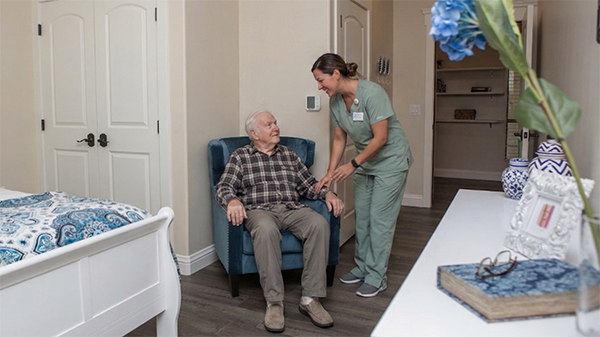
Medication time methods. In the little dining-room, a med cart parks inconspicuously near the tea station. The nurse scans Mrs. Lee's wristband and the medication plan. A prompt appears: hold the multivitamin until after breakfast due to nausea noted yesterday. A tap records the modification. When Mr. Ortiz decreases his stool conditioner, the nurse selects "declined," includes a brief note, and schedules a reminder to reassess in the afternoon.
Midday, Mr. K starts his routine walk. The path is warm however not hot. Personnel see his dot on a map, green as normal. After 20 minutes, the dot moves amber since his route deviates toward a less took a trip corner. A nearby caretaker receives a mild buzz and walks out, offers water, and talks as they circle back. No public announcement, no blaring alarm.
After lunch, a daughter checks the household portal. She sees two notes and an image of her mother setting up flowers with a staff member. The note discusses excellent cravings and a pointer to bring a preferred cardigan. That night, a brief acoustic alert prompts a caregiver to examine Mr. Ortiz, who has been abnormally uneasy. A 5 minute discussion, a warm blanket, and dimmer lights settle him. No alarm fatigue, simply a nudge at the best time.
At 3 a.m., the power flickers. Emergency situation outlets stay live, gain access to points on battery keep the network up, and crucial systems continue. In the early morning, the maintenance lead logs the occasion, keeps in mind generator run time, and schedules a test.
That is innovation serving care, not the other method around.
Bringing it together
When you tour a memory care neighborhood, technology and security are not side notes. They are the peaceful machinery that shapes security, dignity, and staff effectiveness. Strong programs blend easy ecological design with targeted systems: wander management that respects autonomy, fall detection that reduces noise, clinical tools that avoid medication mistakes, and facilities that keeps up when it matters most. Personal privacy and consent threads run through it all.
The most telling sign is how confidently frontline personnel use their tools. If caretakers can reveal you how a door alert routes to them, if a nurse can pull up action time metrics without calling IT, if the executive director understands the last generator test date, you are taking a look at a building that treats technology as part of care. Integrate that with warm interactions and a clear understanding of dementia care, and you have actually found a location where your loved one can live, not simply be kept safe.
BeeHive Homes of Arrowhead Assisted Living provides assisted living care
BeeHive Homes of Arrowhead Assisted Living provides memory care services
BeeHive Homes of Arrowhead Assisted Living provides respite care services
BeeHive Homes of Arrowhead Assisted Living supports assistance with bathing and grooming
BeeHive Homes of Arrowhead Assisted Living offers private bedrooms with private bathrooms
BeeHive Homes of Arrowhead Assisted Living provides medication monitoring and documentation
BeeHive Homes of Arrowhead Assisted Living serves dietitian-approved meals
BeeHive Homes of Arrowhead Assisted Living provides housekeeping services
BeeHive Homes of Arrowhead Assisted Living provides laundry services
BeeHive Homes of Arrowhead Assisted Living offers community dining and social engagement activities
BeeHive Homes of Arrowhead Assisted Living features life enrichment activities
BeeHive Homes of Arrowhead Assisted Living supports personal care assistance during meals and daily routines
BeeHive Homes of Arrowhead Assisted Living promotes frequent physical and mental exercise opportunities
BeeHive Homes of Arrowhead Assisted Living provides a home-like residential environment
BeeHive Homes of Arrowhead Assisted Living creates customized care plans as residents’ needs change
BeeHive Homes of Arrowhead Assisted Living assesses individual resident care needs
BeeHive Homes of Arrowhead Assisted Living accepts private pay and long-term care insurance
BeeHive Homes of Arrowhead Assisted Living assists qualified veterans with Aid and Attendance benefits
BeeHive Homes of Arrowhead Assisted Living encourages meaningful resident-to-staff relationships
BeeHive Homes of Arrowhead Assisted Living delivers compassionate, attentive senior care focused on dignity and comfort
BeeHive Homes of Arrowhead Assisted Living has a phone number of (602) 717-1864
BeeHive Homes of Arrowhead Assisted Living has an address of 17202 N 69th Ave, Glendale, AZ 85308
BeeHive Homes of Arrowhead Assisted Living has a website https://beehivehomes.com/locations/arrowhead
BeeHive Homes of Arrowhead Assisted Living has Google Maps listing https://maps.app.goo.gl/D7JvVkn2P8RDaFQS7
BeeHive Homes of Arrowhead Assisted Living has Facebook page https://www.facebook.com/BeeHiveArrowhead
BeeHive Homes of Arrowhead Assisted Living won Top Assisted Living Homes 2025
BeeHive Homes of Arrowhead Assisted Living earned Best Customer Service Award 2024
BeeHive Homes of Arrowhead Assisted Living placed 1st for New Mexico Senior Living Communities 2025
People Also Ask about BeeHive Homes of Arrowhead Assisted Living
What is BeeHive Homes of Arrowhead Assisted Living Living monthly room rate?
Our monthly rate is based on an individual care assessment that determines the level of support your loved one needs. We use an all-inclusive pricing model, which means no hidden costs, no surprise fees, and no confusing tier add-ons. Contact us to schedule a complimentary assessment and personalized quote
Can residents stay in BeeHive Homes of Arrowhead Assisted Living until the end of their life?
In most cases, yes. We are committed to caring for our residents through their journey. Exceptions may arise if a resident requires 24-hour skilled nursing services or presents safety concerns that exceed what our home can accommodate. We work closely with families and healthcare providers to ensure smooth, compassionate transitions whenever they are needed
Do we have a nurse on staff?
Our home has a consulting nurse available 24/7. If nursing services are needed, a physician can order home health care to be provided directly in the home. Our trained caregiving staff is on-site around the clock for daily support, medication management, and emergency response
What are BeeHive Homes of Arrowhead Assisted Living's visiting hours?
We welcome family visits and work to accommodate schedules flexibly. We simply ask that visits happen at reasonable hours so our residents can maintain healthy daily routines. We believe family connection is essential, and we never want policies to get in the way of that
Do we have couple’s rooms available?
Yes. We have rooms designed for couples who want to stay together. Availability varies, so we encourage you to ask early during the tour and assessment process
Where is BeeHive Homes of Arrowhead Assisted Living located?
BeeHive Homes of Arrowhead Assisted Living is conveniently located at 17202 N 69th Ave, Glendale, AZ 85308. You can easily find directions on Google Maps or call at (602) 717-1864 Monday through Sunday 7:00am to 7:00pm
How can I contact BeeHive Homes of Arrowhead Assisted Living?
You can contact BeeHive Homes of Arrowhead Assisted Living by phone at: (602) 717-1864, visit their website at https://beehivehomes.com/locations/arrowhead or connect on social media via Facebook
Residents may take a trip to the Arrowhead Grill. Arrowhead Grill provides an upscale yet comfortable dining atmosphere where residents in assisted living, memory care, senior care, elderly care, and respite care can enjoy family meals.